Sleep Hygiene
We’ve all done it. You’re lying in bed, the lights are off, but your face is illuminated by the cold, blue glow of your smartphone. You tell yourself it’s just for “five more minutes,” but an hour later, your mind is racing, and sleep feels miles away.
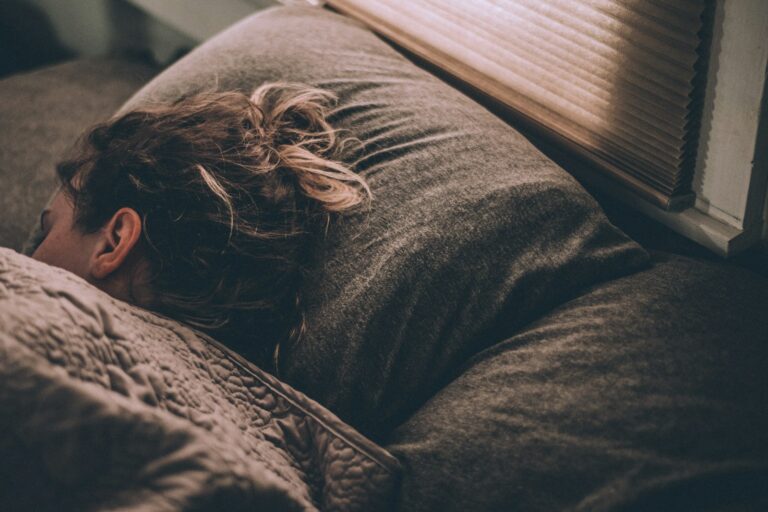
At LogOffly, we believe the bedroom should be a sanctuary—a place for rest, recovery, and connection. Yet, for most of us, it has become a high-tech hub that sabotages our sleep and dictates our morning mood.
It’s time for a change. It’s time to banish the gadgets and rediscover the power of a “dark” bedroom.
The Science of the “Blue Light Blues”
Our bodies operate on a 24-hour internal clock called the circadian rhythm. As the sun goes down, our brain produces melatonin, the hormone that signals it’s time to sleep.
The problem? Your smartphone emits blue light, which mimics daylight. When you scroll in bed, you are effectively telling your brain that the sun is still up. This suppresses melatonin production, making it harder to fall asleep and significantly reducing the quality of your REM cycles. You might sleep for eight hours, but because of that late-night scroll, you wake up feeling unrefreshed..
The Morning Trap: Reactive vs. Proactive
It’s not just about how you go to sleep; it’s about how you wake up. For many, the first act of the day is reaching for the phone to check emails, news, or social media.
This puts your brain into a reactive state. Before you’ve even stepped out of bed, you are responding to other people’s agendas, global crises, and social comparisons. You are letting the digital world hijack your morning.
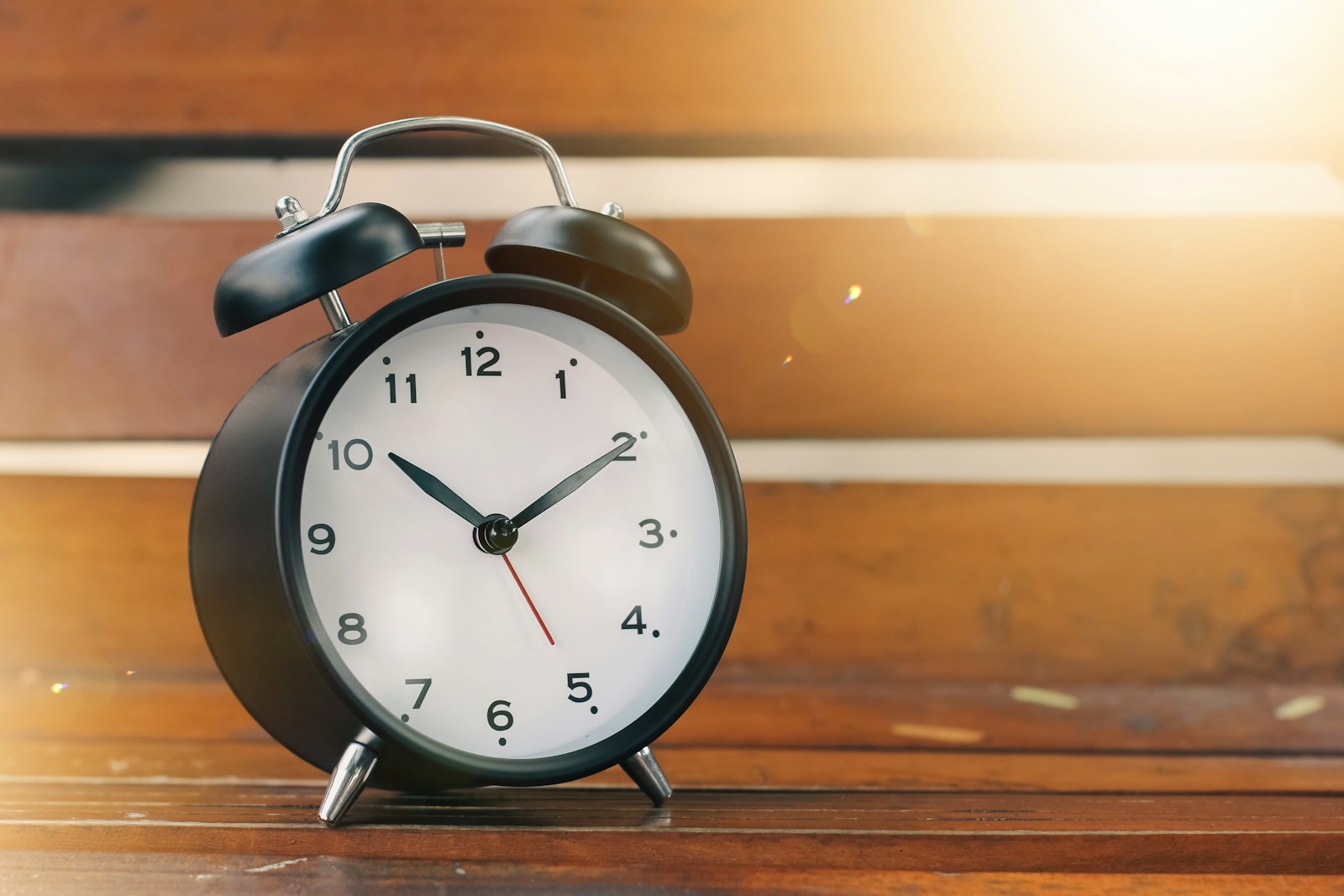
By replacing your phone with a traditional analog alarm clock, you regain control. You create a “buffer zone” where your first thoughts are your own—allowing you to start your day proactively rather than defensively.
The LogOffly Sleep Challenge
If multitasking is the pAre you ready to reclaim your nights? Here is your 3-step challenge:
Charge Outside the Room: Create a charging station in the kitchen or hallway. If your phone isn’t within arm’s reach, you won’t reach for it.
Buy an Analog Alarm Clock: Remove the “I need my phone for the alarm” excuse.
The 30/30 Rule: No screens 30 minutes before bed, and no screens for the first 30 minutes after waking up.
Better Sleep, Better Life
When you prioritize sleep hygiene, you’ll notice an immediate shift. You’ll fall asleep faster, wake up with more clarity, and find that your “digital cravings” decrease throughout the day.
The Question
The Question: What is the very first thing you think about when you wake up? Is it a thought of your own, or is it a response to something you saw on your screen?