Tag

Digital Detox

Browsing

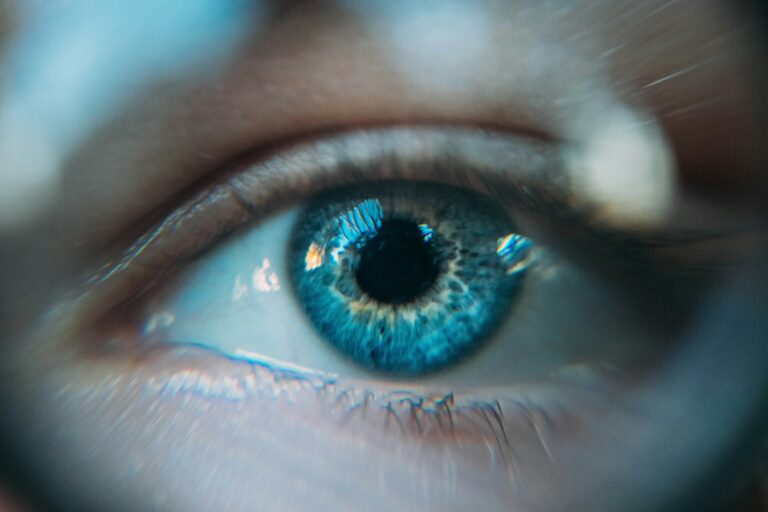
Eye Contact

When was the last time you sat across from someone and really saw them? Not through a 12-megapixel lens or a Zoom window, but face-to-face, skin-to-skin, eye-to-eye.

At LogOffly, we are witnessing a silent shift. As our screen time climbs, our “eye time” is plummeting. We are becoming a generation that looks down more than it looks up. While emojis can mimic a smile and “LOL” can mimic a laugh, they are hollow substitutes for the profound biological resonance of real human presence.

two women sitting beside table and talking

The Science of the Human Gaze

Humans are wired for connection. When we make eye contact, our brains release oxytocin, often called the “bonding hormone.” This chemical signal builds trust, reduces anxiety, and fosters empathy.

Digital communication—even video calls—cannot replicate this. Because of camera placement, we are almost never actually looking into each other’s eyes on a screen; we are looking at the image of the eyes. This subtle disconnect leads to “Zoom fatigue” and a lingering sense of loneliness, even after hours of “chatting.”

The Nuance of the Analog Moment

A screen flattens human emotion. It strips away:

  • Micro-expressions: The tiny flickers of emotion in a real smile.
  • The Power of Touch: A hand on a shoulder or a warm handshake communicates more safety and support than a thousand heart emojis.
  • Presence: When you are with someone without a phone on the table, you are giving them the most scarce resource in the 21st century: your undivided attention.

Reclaiming the “Human” in Human Connection

To live LogOffly is to prioritize the analog over the digital whenever possible. It means choosing the coffee date over the text thread and the phone call over the DM. It’s about recognizing that while technology is a great connector, it is a poor bonder.

Enhance Your Analog Connections

The Bagby is a beautifully designed, “silent” solution for your home. It’s a stylish, fabric sleeve (resembling a tiny sleeping bag) where you tuck your phone away during dinner or before bed.

Unlike a cold plastic box, the Bagby feels warm and intentional. It serves as a visual reminder to everyone in the room that “The phones are sleeping, so we can be awake to each other.”

  • Perfect for: Dinner parties, “Date Nights,” and screen-free bedrooms.
  • The Result: More eye contact, better conversations, and a home that feels like a sanctuary again.

Look Up, Not Down

The next time you are in a conversation, try a simple experiment. Put your phone completely out of sight. Notice the color of the other person’s eyes. Watch how their expression changes when they realize they have your full attention. You’ll find that the “connection” you feel is far stronger than any 5G signal could ever provide.

The Question

The Question: Who is one person in your life you haven’t seen in person lately? Instead of sending a text today, why not invite them for a screen-free walk or a coffee?

Digital Distraction

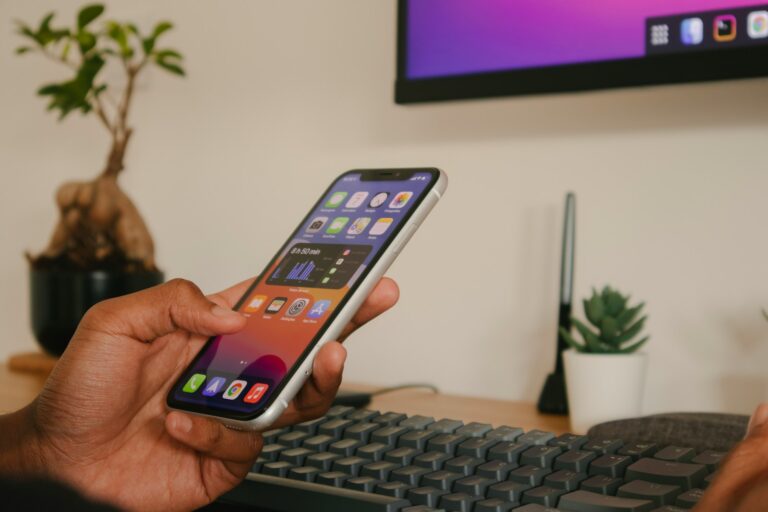
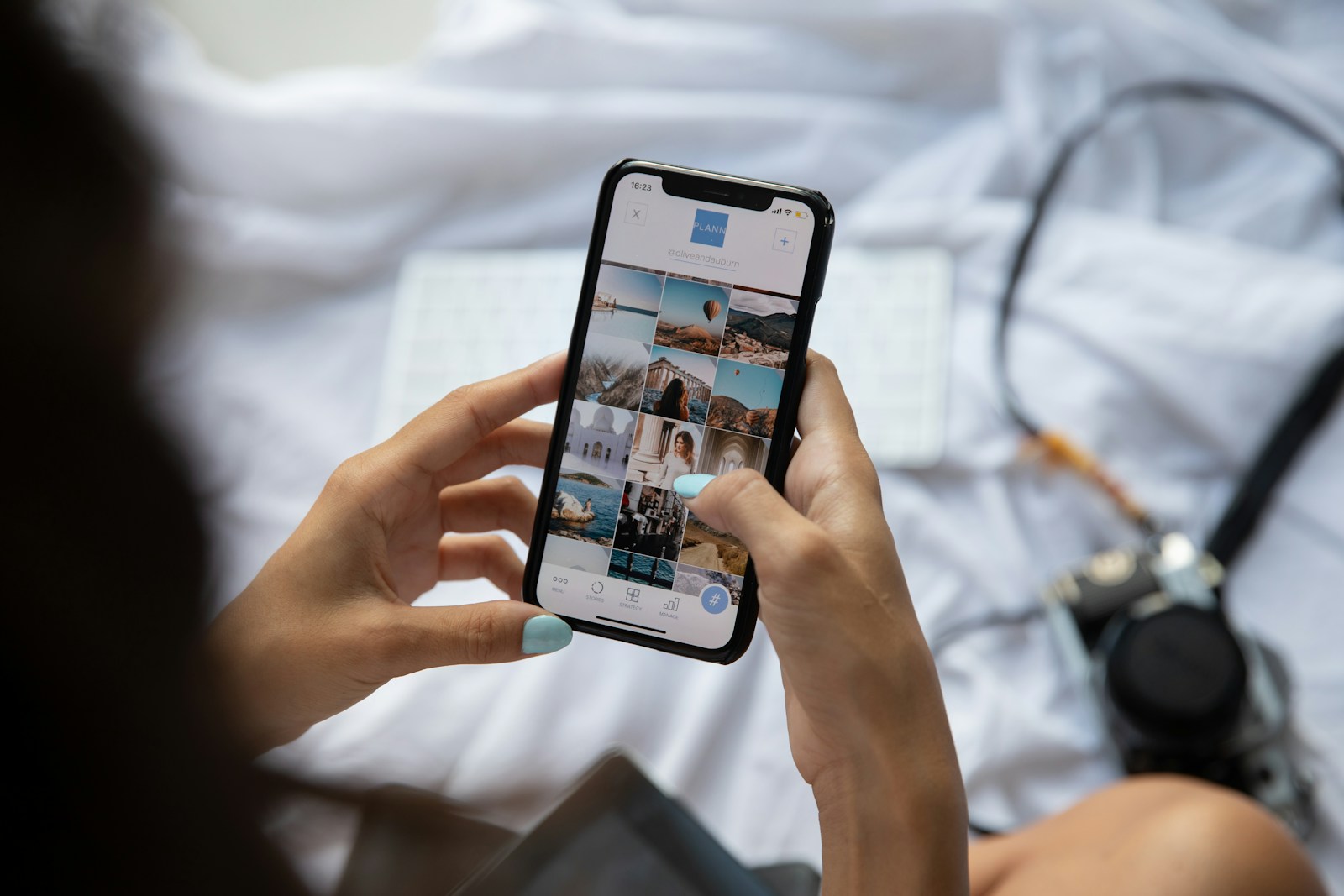
Every time you pull your phone out of your pocket and swipe down to refresh your feed, you aren’t just “checking the news.” You are pulling the lever of a high-tech slot machine.

At LogOffly, we often wonder why it’s so hard to put our devices down. The answer isn’t a lack of willpower; it’s that your apps were intentionally designed by thousands of engineers to be as addictive as a casino floor.

person holding white samsung android smartphone

The Science of “Variable Rewards”

In the 1950s, psychologist B.F. Skinner discovered something startling: a lab rat would press a lever much more frequently if the reward (food) was unpredictable. This is known as a Variable Ratio Schedule of Reinforcement.

Social media apps use this exact mechanism. You don’t get a “hit” every time you scroll. Sometimes you see a boring ad; other times, you see a heartwarming photo or a controversial comment. That uncertainty is what keeps you scrolling. Your brain is chasing the “jackpot” of a like, a tag, or a viral post.

Persuasive Design: The Invisible Hooks

Casinos use flashing lights and ringing bells to keep you “in the zone.” Your phone uses:

  • Red Notification Badges: Red is a “danger” or “alert” color in nature, making it nearly impossible to ignore.
  • The “Pull-to-Refresh” Gesture: This mimicry of a slot machine lever creates a physical habit loop.
  • Infinite Scroll: By removing the “bottom” of the page, designers remove the “stopping cue” that tells your brain it’s time to do something else.

The Cost to Your Brain

This constant stimulation keeps your brain in a state of high dopamine arousal. Over time, this raises your “baseline” for excitement, making real-life activities—like reading a book or having a quiet conversation—feel dull and boring by comparison.

The LogOffly Solution: Create a Physical Barrier

If you want to win against the “Las Vegas” in your pocket, you need more than just good intentions. You need a physical boundary.

Our Top Recommendation: The Mindsight (Kitchen Safe) Time-Locking Container

One of the most effective ways to break the “slot machine” habit is to remove the temptation entirely. The Mindsight timed lockbox is a high-quality, BPA-free container with a digital timer. You place your phone inside, set the timer (from 1 minute to 10 days), and it will not open until the time is up.

It is the perfect tool for:

  • Family dinners where everyone stays present.
  • Deep Work sessions without notification anxiety.
  • Bedtime rituals to ensure a screen-free sleep.

Buy Now (Note: This is an affiliate link; LogOffly earns a small commission at no extra cost to you, helping us keep the lights on!)

Reclaiming Your Brain

Recognizing that your phone is designed to be addictive is the first step toward freedom. You aren’t “weak” for struggling to put it down; you are simply up against the most sophisticated psychological engineering in history. By using tools like the Mindsight and practicing intentionality, you can take the “luck” out of your focus and regain control.

The Question

The Question: If you look at your screen time right now, how many times did you “pull the lever” (unlock your phone) today? Is that number a conscious choice, or a habit?


Sleep Hygiene

We’ve all done it. You’re lying in bed, the lights are off, but your face is illuminated by the cold, blue glow of your smartphone. You tell yourself it’s just for “five more minutes,” but an hour later, your mind is racing, and sleep feels miles away.

At LogOffly, we believe the bedroom should be a sanctuary—a place for rest, recovery, and connection. Yet, for most of us, it has become a high-tech hub that sabotages our sleep and dictates our morning mood.

It’s time for a change. It’s time to banish the gadgets and rediscover the power of a “dark” bedroom.

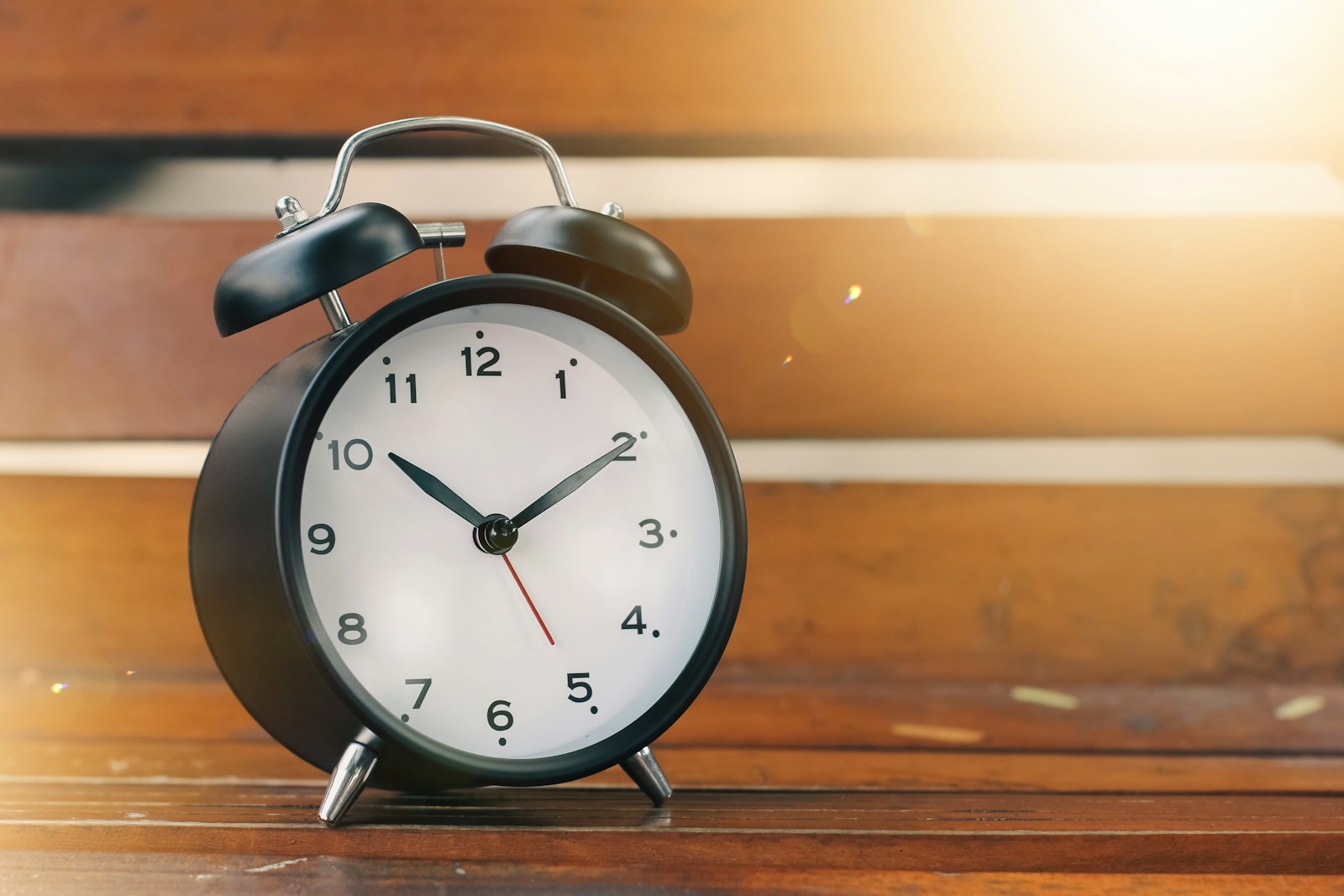
an alarm clock sitting on top of a wooden table

The Science of the “Blue Light Blues”

Our bodies operate on a 24-hour internal clock called the circadian rhythm. As the sun goes down, our brain produces melatonin, the hormone that signals it’s time to sleep.

The problem? Your smartphone emits blue light, which mimics daylight. When you scroll in bed, you are effectively telling your brain that the sun is still up. This suppresses melatonin production, making it harder to fall asleep and significantly reducing the quality of your REM cycles. You might sleep for eight hours, but because of that late-night scroll, you wake up feeling unrefreshed..

The Morning Trap: Reactive vs. Proactive

It’s not just about how you go to sleep; it’s about how you wake up. For many, the first act of the day is reaching for the phone to check emails, news, or social media.

This puts your brain into a reactive state. Before you’ve even stepped out of bed, you are responding to other people’s agendas, global crises, and social comparisons. You are letting the digital world hijack your morning.

By replacing your phone with a traditional analog alarm clock, you regain control. You create a “buffer zone” where your first thoughts are your own—allowing you to start your day proactively rather than defensively.

The LogOffly Sleep Challenge

If multitasking is the pAre you ready to reclaim your nights? Here is your 3-step challenge:

Charge Outside the Room: Create a charging station in the kitchen or hallway. If your phone isn’t within arm’s reach, you won’t reach for it.

Buy an Analog Alarm Clock: Remove the “I need my phone for the alarm” excuse.

The 30/30 Rule: No screens 30 minutes before bed, and no screens for the first 30 minutes after waking up.

Better Sleep, Better Life

When you prioritize sleep hygiene, you’ll notice an immediate shift. You’ll fall asleep faster, wake up with more clarity, and find that your “digital cravings” decrease throughout the day.

The Question

The Question: What is the very first thing you think about when you wake up? Is it a thought of your own, or is it a response to something you saw on your screen?


FOMO

We’ve all felt it. That sharp, anxious tug in the pit of your stomach when you see photos of a party you didn’t attend, or a “breaking news” alert about a topic everyone is suddenly discussing.

This is FOMO (Fear of Missing Out). It is a byproduct of the digital age—a constant, nagging feeling that somewhere, someone is having a better time, making more money, or staying more “informed” than you.

But what if we flipped the script? What if, instead of fearing what we miss, we started celebrating it? Welcome to the world of JOMO: The Joy of Missing Out.

man sitting on armchair near table with opened coconut

What is JOMO?

JOMO is the emotionally intelligent antidote to FOMO. It is the brave, intentional act of saying “no” to the digital noise so you can say “yes” to yourself. JOMO isn’t about being antisocial or out of the loop; it’s about choosing depth over breath.

When you embrace JOMO, you stop trying to keep up with the infinite scroll and start focusing on the finite, beautiful things right in front of you.

Why JOMO is Essential for Your Mental Health

Not all Our brains were never designed to process the lives of 500 “friends” and the world’s tragedies simultaneously 24/7. This constant stream of information leads to decision fatigue and “comparison trap” anxiety.

Choosing JOMO allows you to:

Deepen Real Connections: You trade 100 shallow digital interactions for one meaningful, face-to-face conversation.

Reclaim Your Time: Every “no” to a pointless notification is a “yes” to a hobby, a book, or a rest.

Boost Mental Clarity: Without the constant comparison, you can actually hear your own thoughts.

How to Practice the Art of Missing Out

Transitioning to JOMO doesn’t happen overnight. It requires a shift in habits:

  1. Curate Your Inputs: Unfollow accounts that make you feel “less than.” Your feed should inspire you, not drain you.
  2. Practice “Selective Ignorance”: You don’t need to have an opinion on every trending topic. It is okay—and actually healthy—not to know what happened on Twitter this morning.
  3. Find Joy in the Analog: Trade your evening scroll for a ritual that doesn’t involve a screen. Cook a meal, go for a walk, or simply sit in silence.

The Power of Being “In the Dark”

There is a profound peace in realizing that the world keeps turning even when you aren’t watching it through a 6-inch screen. JOMO is the ultimate form of self-care because it proves that you are enough, exactly where you are, without needing to see what everyone else is doing.

The Question

The Question: Think of the last time you intentionally stayed away from social media for a day. What is one thing you “missed” that you were actually glad you didn’t have to deal with?


Digital Minimalism

We spend hours every year tidying our physical homes. We organize our closets, donate old clothes, and clear our desks to find mental clarity. But what about the “home” we carry in our pockets?

Most of us are living in a state of digital clutter. Our phones are packed with apps we don’t use, notifications we don’t need, and icons that trigger subconscious stress the moment we unlock our screens.

If you want to reclaim your focus, it’s time to apply the Marie Kondo method to your digital life. It’s time for the LogOffly Digital Minimalism Challenge.

person writing on a book

Step 1: The Great App Audit

The first step isn’t about deleting everything; it’s about evaluation. Go through every single app on your phone and ask yourself one simple question:

“Does this app serve a vital purpose or bring me genuine joy?”

If the answer is “It just kills time,” “I might need it one day,” or “It makes me feel anxious,” it’s a candidate for deletion. Be ruthless. If you haven’t opened it in the last 30 days, you likely don’t need it.

Step 2: Identify the Energy Vampires

Not all apps are created equal. Some are tools (Maps, Banking, Utilities), while others are vampires (infinite-scroll Social Media, News alerts, addictive Games).

  • Tools work for you.
  • Vampires make you work for them.

Try moving your “Energy Vampires” off your home screen and into folders, or better yet, delete the app and access them only via your mobile browser. This small friction creates a “speed bump” that stops mindless scrolling.

Step 3: Curate Your “Quiet” Home Screen

A minimalist home screen should be a place of calm. Aim for a layout that only shows your 4 to 8 most essential, “joy-sparking” apps.

Disable badges: Those little red circles are designed to trigger a stress response. Turn them off for everything except perhaps your phone and calendar.

Use a minimalist wallpaper: A solid color or a calm landscape.

The Result: Digital Intentionality

By decluttering your phone, you are clearing the path to your own attention. When you pick up your device, you should be doing so with intent, not out of a habit of escaping boredom.

Your phone should be a tool that enhances your life, not a cluttered closet that weighs you down.

The Question

The Question: If you had to delete every app on your phone except for three, which three would you keep—and why do those spark the most joy for you?


Deep Work

In the modern economy, we are rewarded for what we produce. Yet, most of our workdays are spent in a state of “fragmented attention”—a shallow sea of emails, Slack pings, and quick “syncs.”

As the world gets noisier, a specific skill is becoming increasingly rare and, therefore, incredibly valuable: Deep Work. Coined by author and professor Cal Newport, Deep Work is the ability to focus without distraction on a cognitively demanding task. It is the state where your brain pushes its limits, masters complicated information, and produces elite-level results.

white printer paper on brown wooden table

The Shallow Work Trap

Most of us spend our days in “Shallow Work.” These are non-cognitively demanding, logistical-style tasks, often performed while distracted. While they keep us busy, they don’t move the needle.

The problem? You cannot do Deep Work if you check your phone every ten minutes. Every time you switch tasks, a part of your attention stays behind with the previous task. This is called Attention Residue. It takes your brain up to 20 minutes to fully refocus after a single “quick check” of your inbox.

Why Depth is a Competitive Advantage

We are moving toward an economy that automates the “shallow.” If your job can be done while distracted, a machine will eventually do it. What a machine cannot do is synthesize complex ideas, create original art, or solve high-level strategic problems.

The ability to concentrate for 3 to 4 hours straight is becoming a “superpower.” If you can cultivate the discipline to go deep while everyone else is distracted by the latest trending topic, you will become indispensable.

How to Practice Depth

Deep Work is not a habit you just “switch on.” It is a muscle you must train.

  • Schedule the Deep: Don’t wait for “free time.” Block 90-minute chunks in your calendar specifically for deep tasks.
  • Quit “Social” by Default: You don’t need to be reachable 24/7. Turn off all non-human notifications.
  • Embrace Boredom: If you train your brain to seek a dopamine hit the moment you feel a hint of boredom, you will never be able to handle the “hard” parts of deep concentration.

The future belongs to those who can focus in a world designed to distract them.

The Question

The Question: When was the last time you spent at least two hours working on a single task without checking your phone or email once?