Tag

Mindset

Browsing

Sleep Hygiene

We’ve all done it. You’re lying in bed, the lights are off, but your face is illuminated by the cold, blue glow of your smartphone. You tell yourself it’s just for “five more minutes,” but an hour later, your mind is racing, and sleep feels miles away.

At LogOffly, we believe the bedroom should be a sanctuary—a place for rest, recovery, and connection. Yet, for most of us, it has become a high-tech hub that sabotages our sleep and dictates our morning mood.

It’s time for a change. It’s time to banish the gadgets and rediscover the power of a “dark” bedroom.
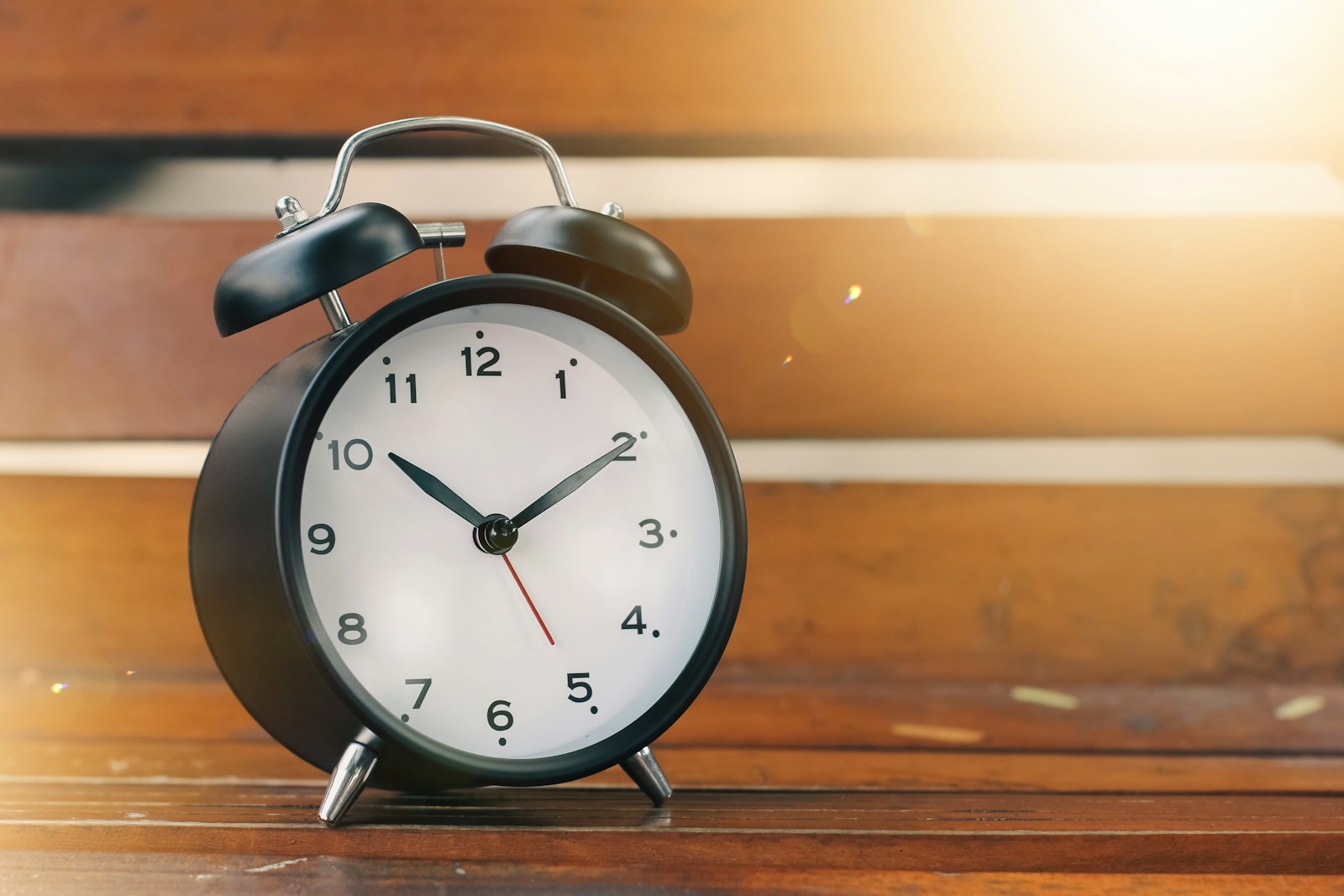
an alarm clock sitting on top of a wooden table

The Science of the “Blue Light Blues”

Our bodies operate on a 24-hour internal clock called the circadian rhythm. As the sun goes down, our brain produces melatonin, the hormone that signals it’s time to sleep.

The problem? Your smartphone emits blue light, which mimics daylight. When you scroll in bed, you are effectively telling your brain that the sun is still up. This suppresses melatonin production, making it harder to fall asleep and significantly reducing the quality of your REM cycles. You might sleep for eight hours, but because of that late-night scroll, you wake up feeling unrefreshed..

The Morning Trap: Reactive vs. Proactive

It’s not just about how you go to sleep; it’s about how you wake up. For many, the first act of the day is reaching for the phone to check emails, news, or social media.

This puts your brain into a reactive state. Before you’ve even stepped out of bed, you are responding to other people’s agendas, global crises, and social comparisons. You are letting the digital world hijack your morning.

By replacing your phone with a traditional analog alarm clock, you regain control. You create a “buffer zone” where your first thoughts are your own—allowing you to start your day proactively rather than defensively.

The LogOffly Sleep Challenge

If multitasking is the pAre you ready to reclaim your nights? Here is your 3-step challenge:

Charge Outside the Room: Create a charging station in the kitchen or hallway. If your phone isn’t within arm’s reach, you won’t reach for it.

Buy an Analog Alarm Clock: Remove the “I need my phone for the alarm” excuse.

The 30/30 Rule: No screens 30 minutes before bed, and no screens for the first 30 minutes after waking up.

Better Sleep, Better Life

When you prioritize sleep hygiene, you’ll notice an immediate shift. You’ll fall asleep faster, wake up with more clarity, and find that your “digital cravings” decrease throughout the day.

The Question

The Question: What is the very first thing you think about when you wake up? Is it a thought of your own, or is it a response to something you saw on your screen?



FOMO

We’ve all felt it. That sharp, anxious tug in the pit of your stomach when you see photos of a party you didn’t attend, or a “breaking news” alert about a topic everyone is suddenly discussing.

This is FOMO (Fear of Missing Out). It is a byproduct of the digital age—a constant, nagging feeling that somewhere, someone is having a better time, making more money, or staying more “informed” than you.

But what if we flipped the script? What if, instead of fearing what we miss, we started celebrating it? Welcome to the world of JOMO: The Joy of Missing Out.

man sitting on armchair near table with opened coconut

What is JOMO?

JOMO is the emotionally intelligent antidote to FOMO. It is the brave, intentional act of saying “no” to the digital noise so you can say “yes” to yourself. JOMO isn’t about being antisocial or out of the loop; it’s about choosing depth over breath.

When you embrace JOMO, you stop trying to keep up with the infinite scroll and start focusing on the finite, beautiful things right in front of you.

Why JOMO is Essential for Your Mental Health

Not all Our brains were never designed to process the lives of 500 “friends” and the world’s tragedies simultaneously 24/7. This constant stream of information leads to decision fatigue and “comparison trap” anxiety.

Choosing JOMO allows you to:

Deepen Real Connections: You trade 100 shallow digital interactions for one meaningful, face-to-face conversation.

Reclaim Your Time: Every “no” to a pointless notification is a “yes” to a hobby, a book, or a rest.

Boost Mental Clarity: Without the constant comparison, you can actually hear your own thoughts.

How to Practice the Art of Missing Out

Transitioning to JOMO doesn’t happen overnight. It requires a shift in habits:

  1. Curate Your Inputs: Unfollow accounts that make you feel “less than.” Your feed should inspire you, not drain you.
  2. Practice “Selective Ignorance”: You don’t need to have an opinion on every trending topic. It is okay—and actually healthy—not to know what happened on Twitter this morning.
  3. Find Joy in the Analog: Trade your evening scroll for a ritual that doesn’t involve a screen. Cook a meal, go for a walk, or simply sit in silence.

The Power of Being “In the Dark”

There is a profound peace in realizing that the world keeps turning even when you aren’t watching it through a 6-inch screen. JOMO is the ultimate form of self-care because it proves that you are enough, exactly where you are, without needing to see what everyone else is doing.

The Question

The Question: Think of the last time you intentionally stayed away from social media for a day. What is one thing you “missed” that you were actually glad you didn’t have to deal with?


Logged Off?

Do you remember the last time you sat on a train and simply stared out the window? Or stood in line at a grocery store, observing the people around you, lost in your own thoughts? Not too long ago, these moments of “nothingness” were a natural part of our day. Today, they have almost entirely vanished. The second a moment of stillness creeps in, we reach for our pockets. We check a notification, scroll through a feed, or play a quick game. We have effectively declared war on boredom.

But in winning that war, we might be losing something far more precious: our creativity.

person holding book with sketch

The “Default Mode” of the Brain

Science tells us that when we are bored, our brains aren’t actually “off.” In fact, they enter what researchers call the Default Mode Network (DMN).

When you stop focusing on external stimuli (like your screen), your brain begins to look inward. It starts making “incidental connections”—linking a memory from three years ago to a problem you’re trying to solve today. This is the birthplace of the “Aha!” moment. By constantly filling every gap with digital noise, we are denying our brains the space to do this essential work.

The Challenge: Reclaiming the Gap

Creativity requires a certain amount of “white space.” To be creative is to connect things that haven’t been connected before, but you cannot connect the dots if you are too busy looking for new dots to collect.

If we want to be more than just passive consumers of content, we have to learn to be bored again. We have to let the silence sit there without trying to “fix” it with a smartphone.

The Question

The Question: When was the last time you were truly bored? Not “waiting-for-a-text” bored, but staring-at-the-wall, mind-wandering, no-device-in-sight bored?

If you can’t remember, today might be the perfect day to put your phone down, look out the window, and see where your mind takes you.