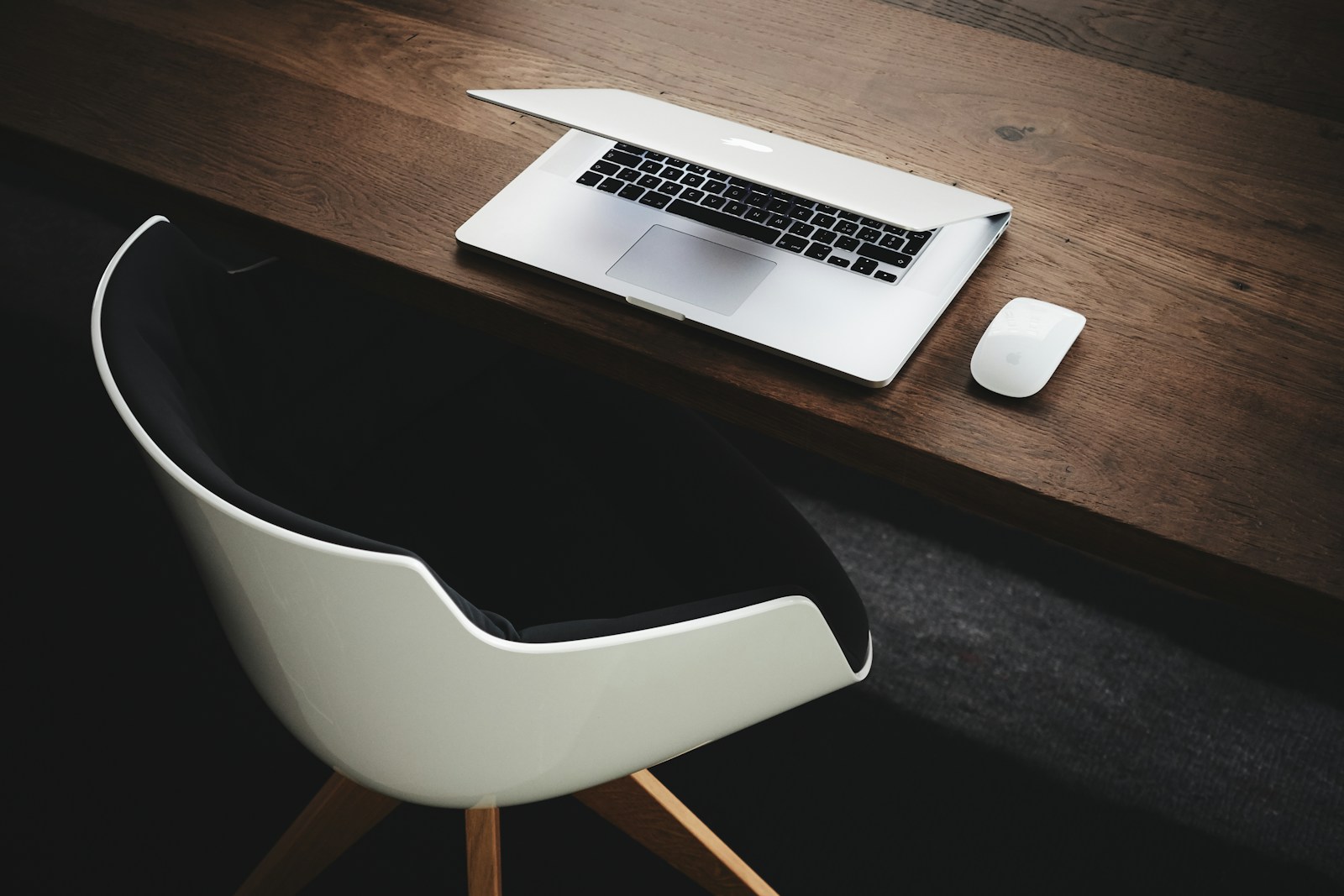
Work From Home
In the old world, leaving the office meant something. You turned off the lights, locked the door, and the commute acted as a “liminal space”—a psychological buffer that transitioned you from Professional to Human.
Today, that buffer is gone. With Slack, Microsoft Teams, and Zoom living on our laptops and smartphones, the office doesn’t stay at work. It follows us into the kitchen, onto the sofa, and even onto our nightstands.
At LogOffly, we’ve identified this as “Always On” Exhaustion. We aren’t just working from home; we are “sleeping in the office.”

The Psychology of the “Digital Leash”
The problem isn’t the work itself; it’s the expectation of availability.
Leisure Guilt: We feel guilty for not answering a “quick question” in the evening, forgetting that rest is a prerequisite for high-quality work.
The “Ping” Response: Every time a Slack notification sounds at 8:00 PM, your brain enters “Work Mode.” Even if you don’t reply, the mental load has shifted.
The Invisible Boss: When your laptop is open on the kitchen table, it acts as a visual “command” to stay productive. You can’t fully relax because the “boss” is effectively sitting in your dining room.
The Erosion of the Sanctuary
Our homes are supposed to be places of recovery. When the boundaries between “Work” and “Life” vanish, our stress levels never return to baseline. This chronic state of low-level alertness is the primary driver of digital burnout.
Reclaim Your Space: The “Physical Off-Switch”
To beat “Always On” exhaustion, you need more than just willpower; you need a ritual that signals the end of the day. If you don’t have a separate room for an office, you must “hide” the work.
Our Top Recommendation: The Hideaway Floating Wall Desk
The most effective way to end the workday is to physically close it. A Floating Wall Desk (like the ones available from Haotian) allows you to have a dedicated workspace that literally folds up and disappears when you’re done.
- Why it works: When you fold the desk up, your laptop, notes, and “work energy” are hidden from view. This visual “deletion” of the office allows your brain to switch back into “Home Mode.”
- The Result: Your living room becomes a living room again, not a cubicle. It creates the “commute” your brain is missing.
Note: Supporting LogOffly via our affiliate links helps us continue our mission to protect your mental space!
3 Steps to Kill the “Always On” Cycle
If you’re worried about being rudIf you can’t change your job, change your digital environment:
- The “Work Phone” Rule: If possible, delete Slack and Teams from your personal phone. If you must have them, use the “Scheduled Summary” or “Focus Mode” features to auto-silence them at 6:00 PM.
- The Laptop Burial: When the clock hits 6:00 PM, don’t just close your laptop. Put it in a drawer or a bag. Out of sight, out of mind.
- The “Commute” Walk: After you finish work, walk around the block for 10 minutes. This physical movement tells your nervous system: “Work is over. Life is beginning.”
Your home is your sanctuary. Don’t let a green “Active” dot tell you otherwise.
The Question
The Question: Does your home still feel like a place of rest, or has it started to feel like a high-stress workplace? What is one physical change you can make today to reclaim your living space?