
Boredom Toolkit
“I’m booooored.”
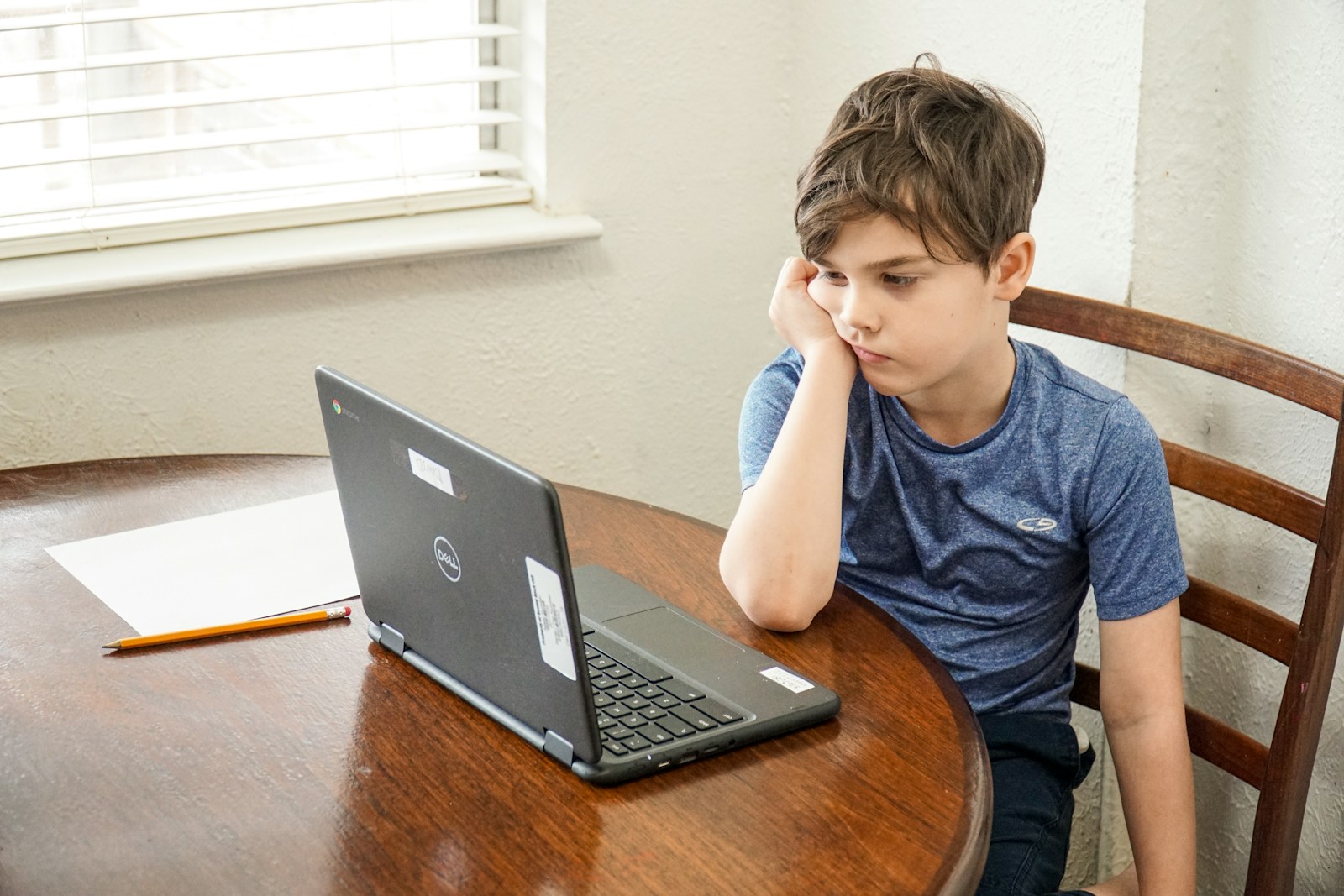
For many parents, these three words trigger an immediate response: reaching for the iPad. It’s the “digital pacifier”—a quick, silent fix for a restless child. But at LogOffly, we believe that by killing boredom instantly with a screen, we are accidentally starving our children’s creativity.
Boredom isn’t a problem to be solved; it is a developmental threshold. It is the space where imagination is born.
The Science of the “Boredom Gap”
When a child is bored, their brain switches to “Default Mode.” This is the state where the mind begins to wander, daydream, and—most importantly—problem-solve.
- Creativity: If a child is never bored, they never have to invent a game, build a fort, or write a story.
- Resilience: Learning to tolerate the “itch” of boredom helps children develop emotional regulation and patience.
- Autonomy: Constantly provided entertainment makes children “passive consumers.” Boredom turns them into “active creators.”
The goal isn’t to leave your child in a void, but to provide them with a Boredom Toolkit—a collection of “low-tech” prompts that spark the imagination without the dopamine spikes of a screen.
The Heart of the Toolkit: Open-Ended Play
The best tools for a boredom toolkit are “open-ended.” An iPad has one way to be used; a box of blocks has a thousand. If you want to replace the iPad, you need a physical “hook” that invites curiosity.
Our Top Recommendation: The Melissa & Doug Deluxe Magnetic Standing Art Easel
This is the ultimate “Boredom Buster.” Unlike a screen that feeds information to the child, an easel invites the child to put their world onto the paper.
- Why it works: It’s a multi-sensory station. One side is a chalkboard, the other a dry-erase board, with a paper roll for painting or drawing. It’s always “on,” ready for when a spark of an idea hits.
- The Result: Instead of “zoning out” to a video, your child engages in “Deep Play”—developing fine motor skills and spatial awareness while they express themselves.
Note: Supporting LogOffly via our affiliate links helps us stay dedicated to promoting healthy, balanced childhoods!
How to Build Your “Boredom Toolkit”
Start small. Keep a dedicated basket or box in the living room containing:
- The “Creation” Layer: Blank paper, thick crayons, washi tape, and safety scissors.
- The “Building” Layer: A deck of cards, a bag of wooden clothespins, or a set of classic blocks.
- The “Prompts”: A jar of “Boredom Jars”—slips of paper with ideas like “Build a bridge for an ant,” “Draw a monster that likes broccoli,” or “Make a hat out of newspaper.”
The “15-Minute Rule”
When your child complains of boredom, don’t jump in immediately. Acknowledge it (“It’s okay to be bored, I wonder what your brain will come up with!”) and give them 15 minutes. Usually, after 10 minutes of restlessness, the “Default Mode” kicks in, and they find a way to entertain themselves.
Let’s give our kids their imaginations back.
The Question
The Question: What was your favorite “low-tech” way to play when you were a child? Could you re-introduce that same simple joy to your kids today?